
Buying guide
Understanding orchestra seating arrangements
Learn why instruments sit where they do in an orchestra
Understanding orchestra seating arrangements
When attending a symphony orchestra performance, many audience members are captivated not just by the music, but by the precise arrangement of musicians on stage. The seating plan of an orchestra is far from random; it is a meticulously crafted layout that influences the sound, communication, and overall performance quality. In this article, we will explore the technical aspects of orchestra seating arrangements, discuss their evolution, and highlight tools that can assist in managing these complex setups.
Quick links: GoSports Splash Hoop Swimming Pool Basketball Game, Includes Poolside Water Bask · GoSports Splash Hoop Swimming Pool Basketball Game, Includes Poolside Water Bask · GoSports Splash Hoop Swimming Pool Basketball Game, Includes Poolside Water Bask
Understanding orchestra seating arrangements
Orchestra seating arrangements are designed to optimize the balance and blend of sound across the ensemble. Traditionally, the orchestra is divided into four main sections: strings, woodwinds, brass, and percussion. Each section is further subdivided by instrument and role (e.g., first violins, second violins).
The most common traditional arrangement places the strings at the front, with the first violins to the conductor's left, followed by second violins, violas, and cellos, with double basses either behind the cellos or to the conductor’s right. Woodwinds are typically seated in a single row behind the strings, followed by the brass and percussion at the rear.
#### Variations in Seating
The "standard" arrangement is not universal. Many conductors and orchestras adjust seating based on repertoire, acoustics, and personal preference. For example, the antiphonal placement of first and second violins on opposite sides of the stage is favored for certain classical and baroque works, enhancing spatial effects in the music.
Understanding orchestra seating arrangements
Seating decisions are influenced by several technical factors:
- Acoustics: The hall’s architecture affects how sound projects. Musicians may need to be repositioned to ensure clarity and balance.
- Sightlines: Musicians must see both the conductor and each other, especially in complex passages.
- Communication: Proximity between principal players (e.g., concertmaster and principal cellist) facilitates musical dialogue.
Effective management of these factors is crucial for professional orchestras. For instance, ExcelMark Custom Signature Stamp, Self-Inking Personalized Name Stamp – Upload Y can be invaluable for labeling seating charts, personalizing musician folders, or signing off on rehearsal schedules, ensuring clarity and organization in a busy orchestral environment.
Tools for Managing Orchestra Seating
The logistics of seating an orchestra can be daunting, especially for large ensembles. Besides digital planning software, physical tools play a vital role in maintaining order.
#### Labeling and Personalization
Assigning seats and managing musician materials often requires clear labeling. The ExcelMark Custom Signature Stamp, Self-Inking Personalized Name Stamp – Upload Y offers a customizable, self-inking solution for quickly personalizing music folders, attendance sheets, or administrative documents. This not only saves time but also ensures that each musician receives the correct materials and instructions.
#### Organizational Accessories
While the main focus is on music, organizational accessories such as durable, weather-resistant bags can be repurposed for transporting sheet music or small instruments securely. For example, the GoSports Official Regulation Cornhole Bean Bags Set (8 All Weather Bags) - Ameri, though designed for another context, offers a robust and portable storage option that can be adapted for carrying music stands or percussion accessories during outdoor performances or festivals.
The Impact of Seating on Performance
The arrangement of musicians affects not only the sound but also the cohesion and morale of the orchestra. Well-planned seating fosters communication, reduces logistical errors, and allows for efficient rehearsals.
In some cases, orchestras may experiment with unconventional layouts to achieve specific acoustic effects or to meet the requirements of contemporary works. Flexibility in seating is essential, and having tools like the ExcelMark Custom Signature Stamp, Self-Inking Personalized Name Stamp – Upload Y can streamline the process of updating seating charts and musician assignments.
Modern Trends and Adaptations
Contemporary orchestras are increasingly embracing flexible seating to accommodate diverse programming and venues. Outdoor concerts, for instance, may require waterproof or easily transportable accessories. While not specifically designed for orchestral use, products like the GoSports Splash Hoop Swimming Pool Basketball Game, Includes Poolside Water Bask can inspire creative solutions for marking stage boundaries or organizing backstage areas during non-traditional performances.
Pros and Cons of Traditional Orchestra Seating
Pros
- Optimizes acoustic balance and blend
- Facilitates communication among musicians
- Provides a familiar structure for both players and audience
Cons
- May not suit all repertoire or venues
- Can limit flexibility for contemporary works
- Requires meticulous planning and management
FAQ
Q1: Why do orchestras sometimes change their seating arrangements?
A: Orchestra seating is adjusted to suit the repertoire, conductor preferences, or venue acoustics. For example, baroque music may benefit from separating first and second violins, while modern works might require unconventional layouts.
Q2: How are seating assignments typically communicated to musicians?
A: Assignments are usually posted on seating charts, distributed electronically, or labeled on music folders. Tools like the ExcelMark Custom Signature Stamp, Self-Inking Personalized Name Stamp – Upload Y can help streamline this process.
Q3: What role does equipment organization play in orchestra management?
A: Proper organization ensures that musicians have the correct parts, instruments, and accessories. Durable storage solutions, such as the GoSports Official Regulation Cornhole Bean Bags Set, can be adapted for music-related transport needs, enhancing efficiency during rehearsals and performances.
Understanding orchestra seating arrangements is essential for achieving optimal performance and sound quality. By leveraging specialized organizational tools and adapting traditional practices, orchestras can maintain clarity and flexibility in an ever-evolving musical landscape.
Top picks

GoSports Splash Hoop Swimming Pool Basketball Game, Includes Poolside Water Basketball Hoop, 2 Balls
GoSports
From ~$130
Pros
- Highly rated - 4.8/5 from 8,070+ buyers
- Proven choice with thousands of reviews
- Made by GoSports, a recognized name in the category
Cons
- Runs slightly larger than expected for some
- Setup takes a few extra minutes

GoSports Splash Hoop Swimming Pool Basketball Game, Includes Poolside Water Basketball Hoop, 2 Balls
GoSports
From ~$130
Pros
- Highly rated - 4.8/5 from 8,070+ buyers
- Proven choice with thousands of reviews
- Made by GoSports, a recognized name in the category
Cons
- Check size/compatibility before buying
- Pricier than entry-level options

GoSports Splash Hoop Swimming Pool Basketball Game, Includes Poolside Water Basketball Hoop, 2 Balls
GoSports
Check Amazon for current price
Pros
- Highly rated - 4.8/5 from 8,035+ buyers
- Proven choice with thousands of reviews
- GoSports build quality buyers come back to
Cons
- Check size/compatibility before buying

GoSports Official Regulation Cornhole Bean Bags Set (8 All Weather Bags) - America Stars and Stripes
GoSports
From ~$21.99
Pros
- Highly rated - 4.7/5 from 14,607+ buyers
- Proven choice with thousands of reviews
- Made by GoSports, a recognized name in the category
Cons
- Pricier than entry-level options
- Best for regular use, less ideal for occasional buyers
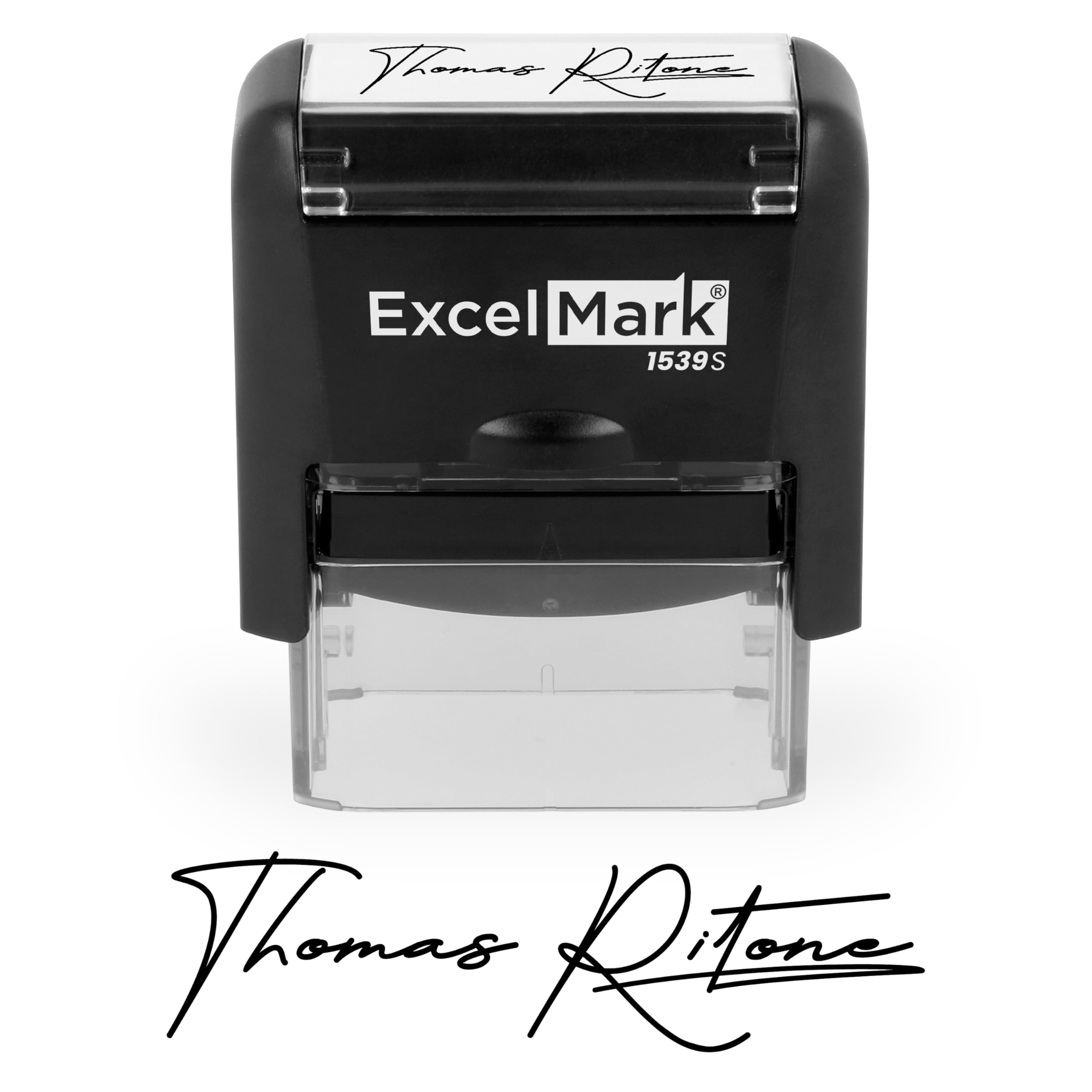
ExcelMark Custom Signature Stamp, Self-Inking Personalized Name Stamp – Upload Your Own Signature Im
ExcelMark
From ~$10.49
Pros
- Highly rated - 4.7/5 from 5,805+ buyers
- Proven choice with thousands of reviews
- From ExcelMark, known for dependable picks
Cons
- Pricier than entry-level options
FAQ
How do we pick products for Understanding orchestra seating arrangements?
We compare reviews, materials, and real-world fit — not paid placement.
Do you show live prices?
We link to Amazon for current pricing and availability.
Affiliate disclosure?
Some links earn us a commission at no extra cost to you. Picks are editorial, not paid placement.