

Buying guide
Recording classical music at home
Equipment and techniques for capturing quality audio
Recording classical music at home
Recording classical music at home, especially for symphony orchestra musicians and enthusiasts, is a rewarding but technically demanding pursuit. Capturing the nuance, depth, and dynamic range of orchestral works requires careful consideration of your environment, equipment, and even your personal well-being. In this guide, we’ll break down key technical strategies, essential gear, and a few surprising ways to enhance your recording sessions—including how products like Bath Salts | 1lb Bag (16oz.) | Choose Your Scent | Epsom Salt | Sea Salt | Bathin can play a role in your workflow.
Quick links: Bath Salts | 1lb Bag (16oz.) | Choose Your Scent | Epsom Salt | Sea Salt| Bathin · Bath Salts | 1lb Bag (16oz.) | Choose Your Scent | Epsom Salt | Sea Salt| Bathin · Bath Salts | 1lb Bag (16oz.) | Choose Your Scent | Epsom Salt | Sea Salt| Bathin
Recording classical music at home
Unlike pop or electronic music, classical recordings demand pristine audio fidelity and an authentic sense of space. The following elements are crucial:
- Room Acoustics: Symphonic music thrives on natural reverb and clarity. Most home studios lack the acoustic treatment of professional halls, which can lead to muddiness or unwanted reflections.
- Microphone Placement: Classical music often benefits from stereo pairs (like ORTF or XY configurations) to capture the ensemble’s width and depth.
- Noise Floor: Ambient noise—HVAC, traffic, or even computer fans—can intrude on the quietest passages.
Recording classical music at home
#### 1. Microphones
Large-diaphragm condensers or matched small-diaphragm pairs are standard for capturing orchestral sections. Brands like Neumann, AKG, and Rode are popular for their transparency and low self-noise. Ribbon microphones can add warmth, especially for string sections.
#### 2. Audio Interface
A high-quality interface with low-latency preamps is essential. Look for interfaces offering at least 24-bit/96kHz conversion to preserve dynamic range and detail.
#### 3. Acoustic Treatment
Invest in bass traps, diffusers, and absorptive panels to tame room reflections. Even simple DIY solutions—heavy curtains, bookshelves, or strategically placed furniture—can help.
#### 4. Headphones and Monitors
Accurate monitoring is vital. Reference headphones like the Sennheiser HD 600 or open-back models allow you to hear subtle details without coloration.
Workflow Tips for Orchestral Musicians
Preparation: Score study and rehearsal are just as important as technical setup. Plan your session, mark difficult passages, and ensure all musicians are comfortable with the recording process.
Session Management: Classical sessions are often long and demanding. Schedule regular breaks to maintain focus and prevent fatigue.
Well-being: Long recording sessions can be physically and mentally taxing. Incorporating relaxation techniques, such as a warm bath with Bath Salts | 1lb Bag (16oz.) | Choose Your Scent | Epsom Salt | Sea Salt | Bathin, can help musicians recover and maintain peak performance. The soothing blend of Epsom and sea salts can relieve muscle tension, making it easier to return to your instrument refreshed.
Enhancing the Recording Experience
#### The Role of Relaxation
Recording at home means you control the atmosphere. Many musicians overlook the importance of mental and physical relaxation in achieving their best performances. A post-session soak with Bath Salts | 1lb Bag (16oz.) | Choose Your Scent | Epsom Salt | Sea Salt | Bathin is more than a luxury—it’s a practical tool for muscle recovery and stress relief. The customizable scents can help set a calming mood before or after recording, supporting both body and mind.
#### Creating a Focused Environment
Minimize distractions: silence phones, alert housemates, and set clear session goals. Consider diffusing calming scents in your studio space to reduce anxiety and help musicians concentrate—another use for the versatile Bath Salts | 1lb Bag (16oz.) | Choose Your Scent | Epsom Salt | Sea Salt | Bathin, which can double as a gentle room fragrance.
Post-Production Considerations
- Editing: Use software like Pro Tools, Logic, or Reaper for precise editing and mixing. Maintain the integrity of the performance—avoid over-editing.
- Mastering: Classical mastering focuses on preserving dynamics and natural soundstage. Avoid heavy compression or limiting.
Pros and Cons of Recording Classical Music at Home
Pros:
- Complete control over session timing and environment
- Cost-effective compared to professional studios
- Ability to experiment with microphone techniques and mixes
- Opportunity for self-care and relaxation between sessions
Cons:
- Acoustic limitations of most home spaces
- Potential for unwanted noise and interruptions
- Requires investment in quality equipment and acoustic treatment
- Steeper learning curve for achieving professional results
FAQ
1. What’s the best microphone setup for recording a small orchestra at home?
A stereo pair (such as ORTF or XY) is recommended for capturing the ensemble’s width and depth. Place the microphones at a distance where the blend of direct sound and room ambience is balanced. For soloists, consider adding a spot mic.
2. How can I reduce background noise in my recordings?
Use acoustic treatment to dampen reflections, record during quieter times of day, and choose microphones with tight pickup patterns. High-pass filters and noise reduction plugins can help in post-production.
3. How do Bath Salts | 1lb Bag (16oz.) | Choose Your Scent | Epsom Salt | Sea Salt | Bathin support musicians during recording projects?
Long sessions can lead to muscle tension and fatigue. Soaking in a bath with these salts can aid muscle recovery and relaxation, helping musicians maintain peak performance throughout demanding recording projects. The customizable scents also offer a mood-enhancing benefit, contributing to a calm and focused recording environment.
Recording classical music at home is both an art and a science. With the right preparation, technical setup, and attention to personal well-being—including the restorative benefits of Bath Salts | 1lb Bag (16oz.) | Choose Your Scent | Epsom Salt | Sea Salt | Bathin—you can achieve recordings that honor the depth and beauty of the symphonic repertoire.
Top picks
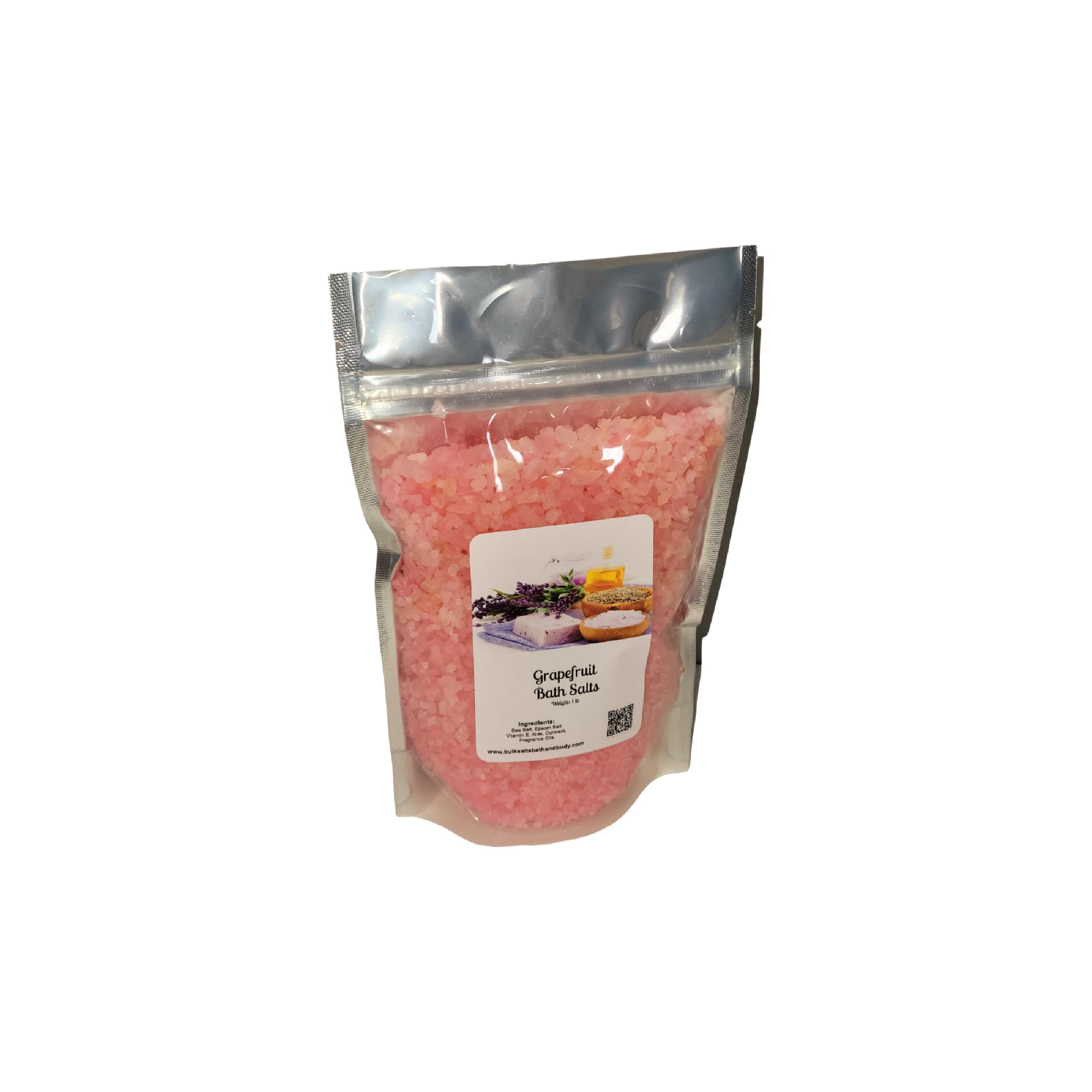
Bath Salts | 1lb Bag (16oz.) | Choose Your Scent | Epsom Salt | Sea Salt| Bathing | Body Care | Beau
Bulk Salts Bath & Body
From ~$11.90
Pros
- Solid 4.4/5 rating from real buyers
- Bulk Salts Bath & Body build quality buyers come back to
- Budget-friendly pick
Cons
- Runs slightly larger than expected for some
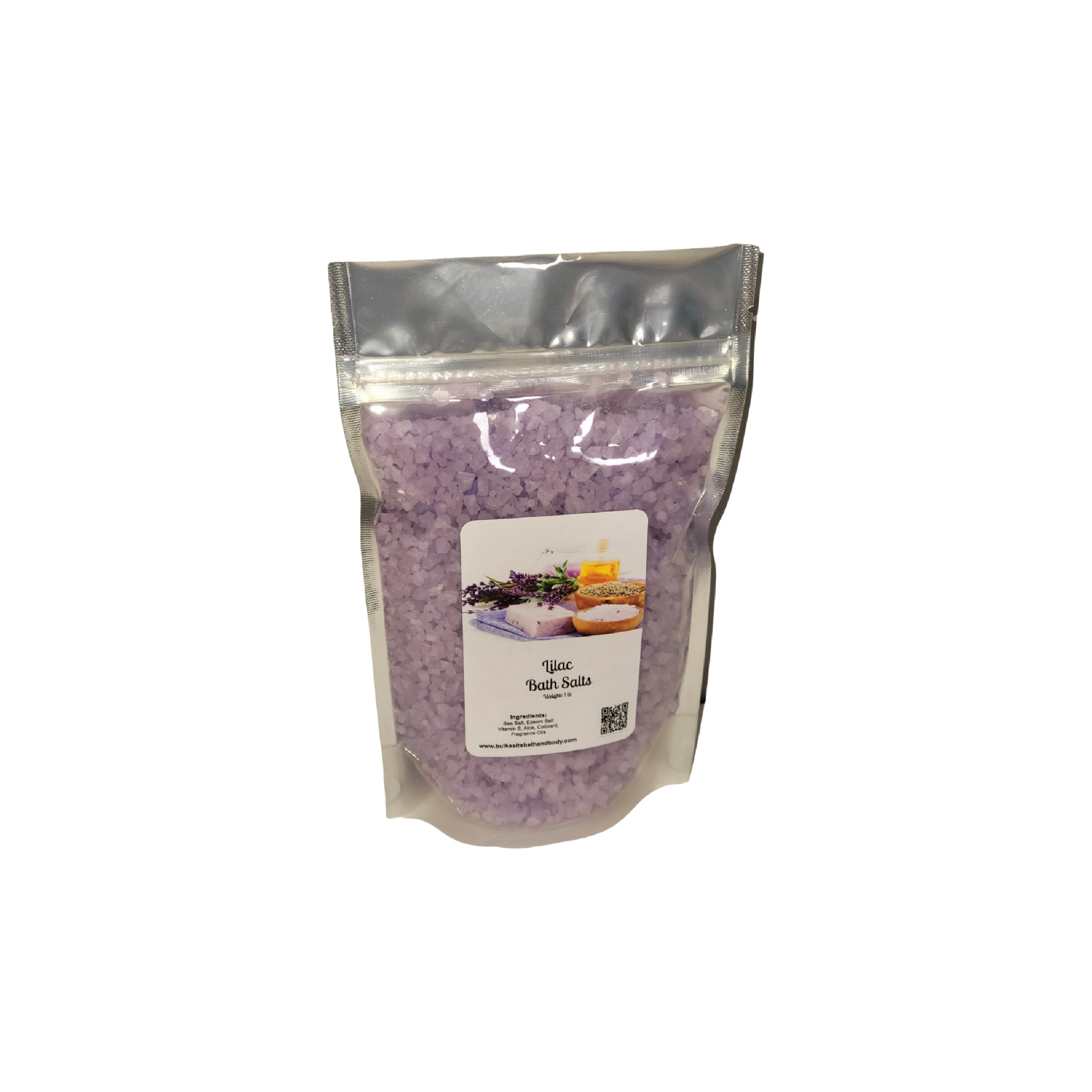
Bath Salts | 1lb Bag (16oz.) | Choose Your Scent | Epsom Salt | Sea Salt| Bathing | Body Care | Beau
Bulk Salts Bath & Body
From ~$11.90
Pros
- Solid 4.4/5 rating from real buyers
- Made by Bulk Salts Bath & Body, a recognized name in the category
- Budget-friendly pick
Cons
- Runs slightly larger than expected for some
- Fewer color options than competitors
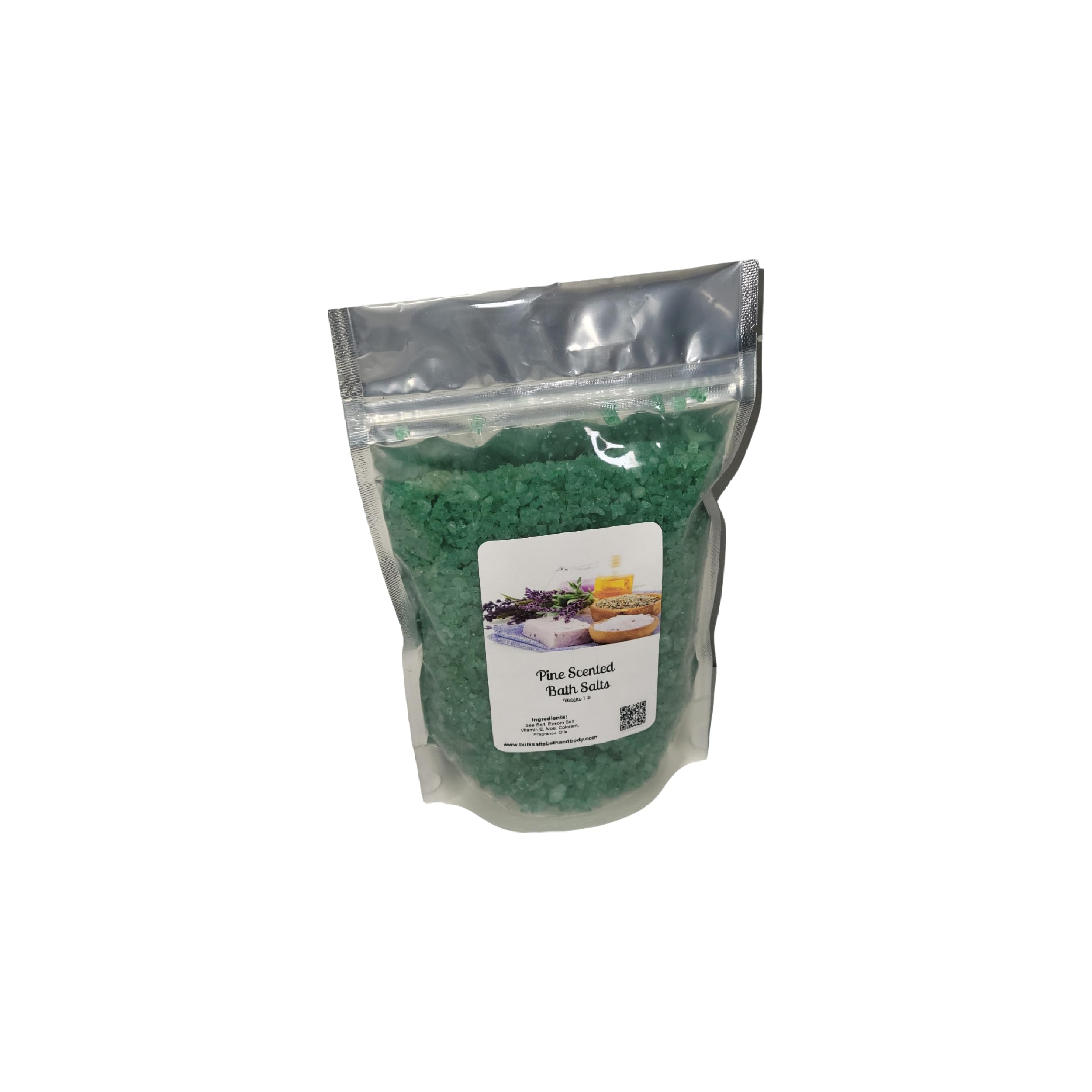
Bath Salts | 1lb Bag (16oz.) | Choose Your Scent | Epsom Salt | Sea Salt| Bathing | Body Care | Beau
Bulk Salts Bath & Body
From ~$11.90
Pros
- Solid 4.4/5 rating from real buyers
- Made by Bulk Salts Bath & Body, a recognized name in the category
- Budget-friendly pick
Cons
- Pricier than entry-level options
- Replacement parts can be harder to find
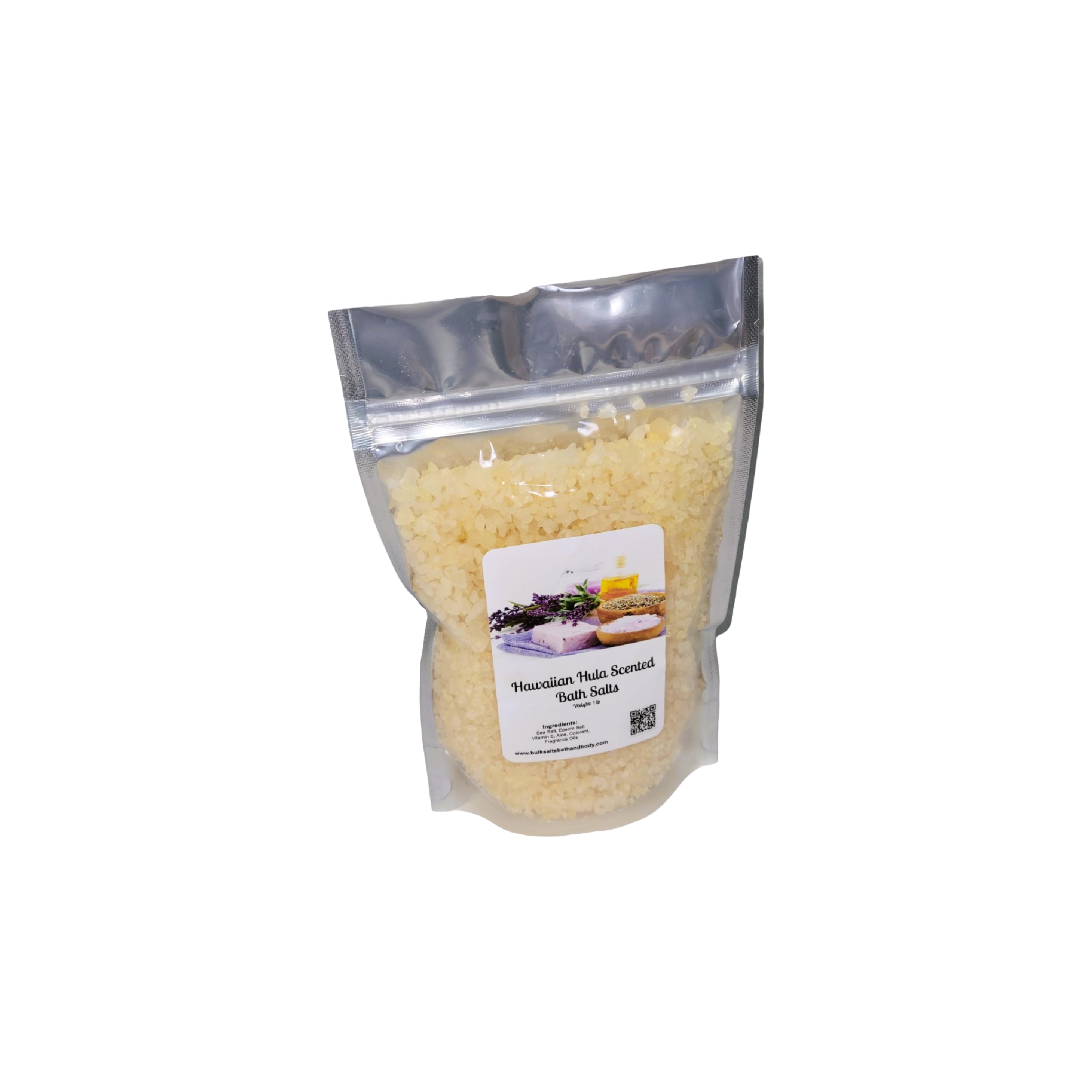
Bath Salts | 1lb Bag (16oz.) | Choose Your Scent | Epsom Salt | Sea Salt| Bathing | Body Care | Beau
Bulk Salts Bath & Body
From ~$11.90
Pros
- Solid 4.4/5 rating from real buyers
- From Bulk Salts Bath & Body, known for dependable picks
- Budget-friendly pick
Cons
- Check size/compatibility before buying
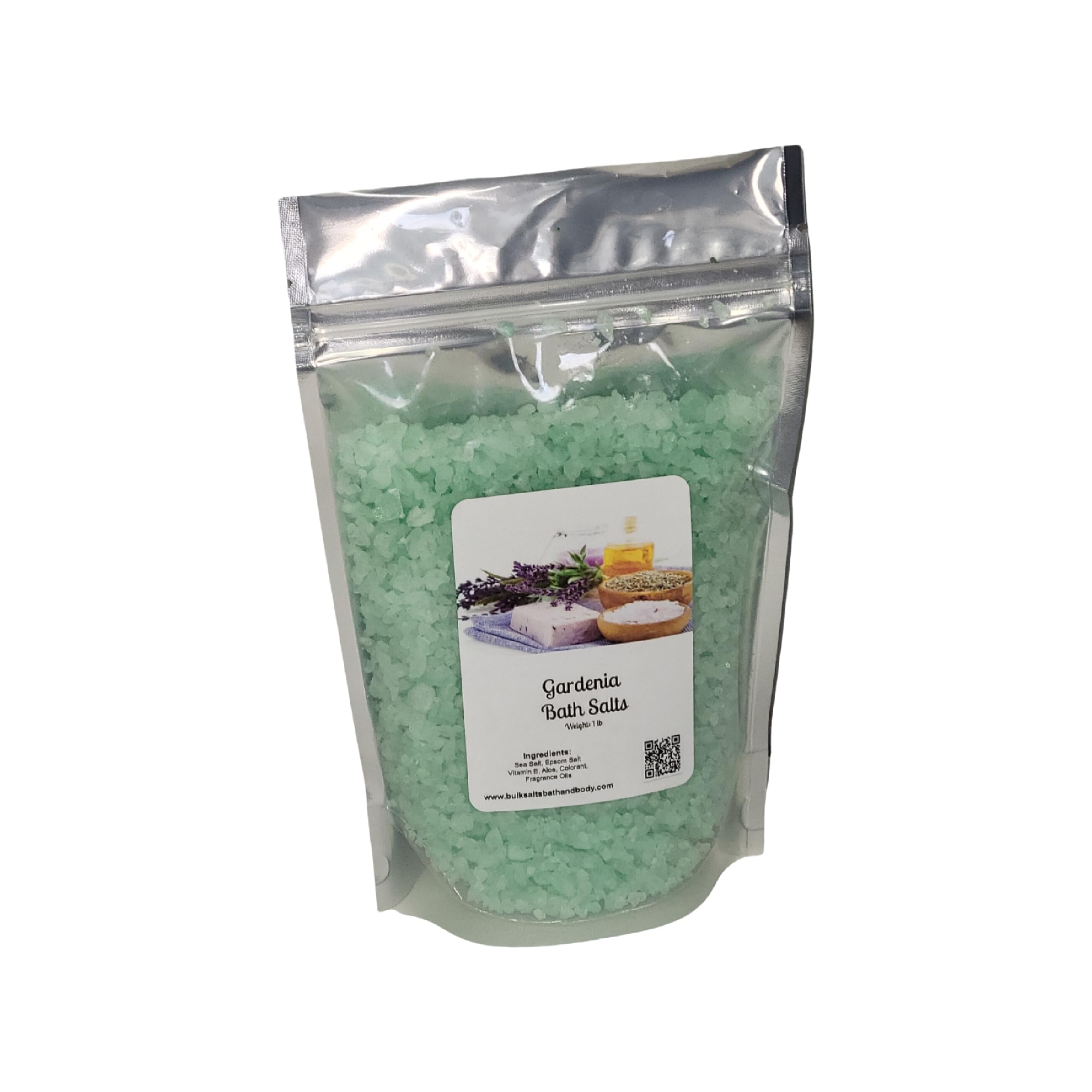
Bath Salts | 1lb Bag (16oz.) | Choose Your Scent | Epsom Salt | Sea Salt| Bathing | Body Care | Beau
Bulk Salts Bath & Body
From ~$11.90
Pros
- Solid 4.4/5 rating from real buyers
- Bulk Salts Bath & Body build quality buyers come back to
- Budget-friendly pick
Cons
- Replacement parts can be harder to find
FAQ
How do we pick products for Recording classical music at home?
We compare reviews, materials, and real-world fit — not paid placement.
Do you show live prices?
We link to Amazon for current pricing and availability.
Affiliate disclosure?
Some links earn us a commission at no extra cost to you. Picks are editorial, not paid placement.