
Buying guide
Digital vs acoustic pianos for classical training
Pros and cons for serious students
Digital vs acoustic pianos for classical training
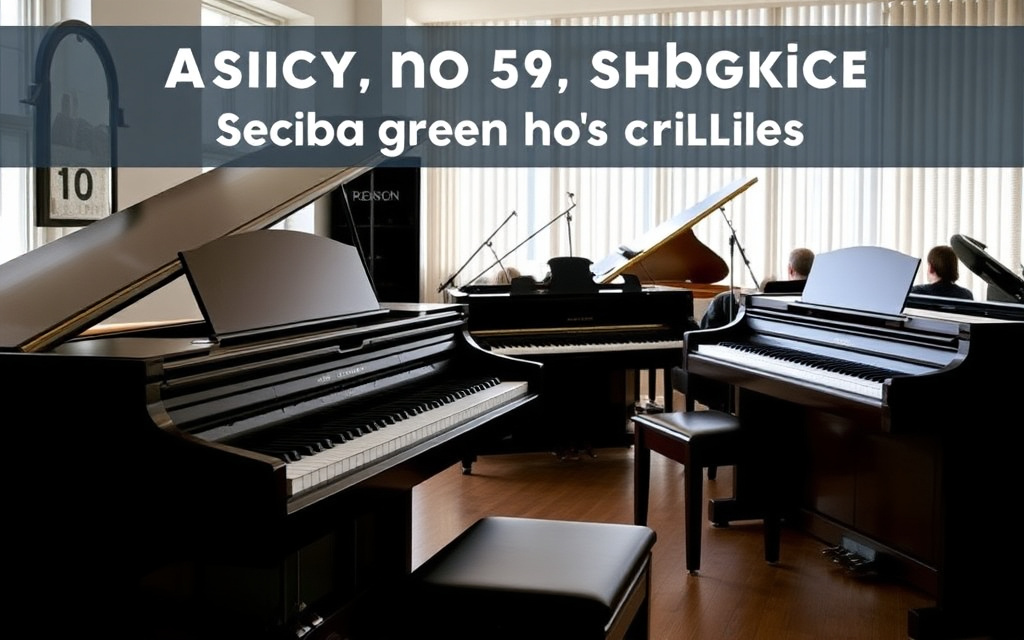
When considering the ideal instrument for classical piano training, the debate between digital and acoustic pianos is both nuanced and highly relevant to musicians within the symphony orchestra niche. Both instrument types present distinct advantages and drawbacks, especially when evaluated through the lens of classical repertoire demands, ensemble integration, and technical development. This review provides a technical breakdown of each piano type, supported by research and practical considerations for orchestral pianists and advanced students.
Digital vs acoustic pianos for classical training
Acoustic pianos, particularly grand pianos, are renowned for their rich tonal palette and dynamic responsiveness. The natural resonance produced by hammers striking strings, combined with the wooden soundboard, results in a depth and complexity that is difficult for digital instruments to emulate fully. This organic sound is crucial for classical training, where subtle expressive nuances are often required by composers such as Chopin, Debussy, and Rachmaninoff.
Digital pianos have made significant strides in sound sampling and physical modeling. High-end models now offer multi-layered samples captured from concert grands, with advanced speaker systems to simulate resonance and spatial depth. Nevertheless, even with features like graded hammer action, there can be a perceptible difference in tonal decay and sympathetic resonance—factors that contribute to a pianist’s interpretive choices in an orchestral context.
Digital vs acoustic pianos for classical training
The action of an acoustic piano provides tactile feedback essential for developing refined finger technique, voicing, and pedaling control. The weight and resistance of the keys, as well as the mechanical interaction between the pianist and the instrument, are integral to mastering the touch required for classical pieces.
Digital pianos, especially those with weighted or graded hammer action, aim to replicate this feel. While premium digital models offer impressive key action, subtle differences remain. For example, digital keys may not replicate the escapement mechanism or the variability in key resistance found across the keyboard of an acoustic grand. For orchestral pianists, who must navigate a wide dynamic range and complex textures, these differences can impact technical growth and performance authenticity.
Maintenance and Practicality
Acoustic pianos demand regular tuning and maintenance, particularly in environments with fluctuating humidity and temperature—common in concert halls and rehearsal spaces. This ongoing care preserves the instrument’s integrity but adds to the long-term investment.
Digital pianos, by contrast, are maintenance-free and immune to environmental changes. Their portability and headphone compatibility make them attractive for practice in shared or noise-sensitive environments, such as backstage at symphony rehearsals or in urban apartments.
Integration in Symphony Orchestra Settings
Within a symphony orchestra, acoustic pianos remain the standard for performances due to their projection, tonal blend, and visual presence on stage. However, digital pianos offer practical advantages for rehearsals, outreach concerts, or venues lacking a suitable acoustic instrument. Some orchestras employ digital pianos with MIDI capabilities to trigger sampled sounds or integrate with electronic setups, expanding the palette for contemporary repertoire.
Additional Considerations
For musicians who juggle multiple commitments—such as orchestral rehearsals, solo practice, and teaching—digital pianos offer flexibility. Their ability to accommodate silent practice, record performances, and interface with educational software can be invaluable for developing musicians.
It’s worth noting that while this review focuses on pianos, other accessories can enhance practice and performance environments. For instance, the GoSports Official Regulation Cornhole Bean Bags Set (8 All Weather Bags) - Ameri, though not directly related to piano, is often found in orchestral green rooms, providing a recreational outlet for musicians during breaks. Similarly, the (CHOOSE YOUR COLOR) LA Girl HD Conceal High Definition Concealer 13 Color Choice is a backstage staple for stage-ready appearance, and the GoSports Splash Hoop Swimming Pool Basketball Game, Includes Poolside Water Bask is popular among orchestra members for team-building during summer residencies.
Pros and Cons
Acoustic Pianos
Pros:
- Superior tonal quality and dynamic range
- Authentic touch and mechanical feedback
- Preferred for concert performance and ensemble integration
Cons:
- Requires regular tuning and climate control
- High initial investment and transportation challenges
- Less practical for silent practice or space-limited environments
Digital Pianos
Pros:
- Maintenance-free and portable
- Headphone compatibility for silent practice
- MIDI and recording capabilities
Cons:
- Slightly less authentic touch and sound
- Limited in replicating acoustic resonance and tonal complexity
- May not be accepted for all professional performance settings
FAQ
1. Can digital pianos fully replace acoustic pianos for classical training?
While digital pianos have advanced considerably, most pedagogues and orchestral professionals recommend acoustic pianos for developing the nuanced technique and expressive range required in classical music. However, digital pianos are highly effective for practice, especially where noise or space is a concern.
2. Are there digital pianos suitable for symphony orchestra use?
High-end digital stage pianos are occasionally used in orchestral settings, particularly for contemporary works or when logistics prevent the use of an acoustic grand. However, traditional acoustic pianos remain the standard for most classical repertoire.
3. How do I choose between digital and acoustic for my needs?
Consider your primary use cases: if you require portability, silent practice, or have budget constraints, a digital piano is a practical choice. For advanced classical training and concert performance, an acoustic piano is preferable. Many professionals use both, depending on the context.
In summary, the choice between digital and acoustic pianos for classical training in a symphony orchestra context depends on individual needs, technical requirements, and logistical realities. Both instrument types have a place in the modern musician’s toolkit, and a balanced approach often yields the best results for developing artistry and performance readiness.
Top picks

GoSports Official Regulation Cornhole Bean Bags Set (8 All Weather Bags) - America Stars and Stripes
GoSports
From ~$21.99
Pros
- Highly rated - 4.7/5 from 14,588+ buyers
- Proven choice with thousands of reviews
- Made by GoSports, a recognized name in the category
Cons
- Pricier than entry-level options
- Check size/compatibility before buying

(CHOOSE YOUR COLOR) LA Girl HD Conceal High Definition Concealer 13 Color Choices (Porcelain)
L.A. Girl
From ~$12.99
Pros
- Solid 4.4/5 rating from real buyers
- Proven choice with thousands of reviews
- Made by L.A. Girl, a recognized name in the category
Cons
- Best for regular use, less ideal for occasional buyers
- Runs slightly larger than expected for some

GoSports Splash Hoop Swimming Pool Basketball Game, Includes Poolside Water Basketball Hoop, 2 Balls
GoSports
From ~$130
Pros
- Highly rated - 4.8/5 from 8,045+ buyers
- Proven choice with thousands of reviews
- Made by GoSports, a recognized name in the category
Cons
- Runs slightly larger than expected for some
- Replacement parts can be harder to find
FAQ
How do we pick products for Digital vs acoustic pianos for classical training?
We compare reviews, materials, and real-world fit — not paid placement.
Do you show live prices?
We link to Amazon for current pricing and availability.
Affiliate disclosure?
Some links earn us a commission at no extra cost to you. Picks are editorial, not paid placement.