
Buying guide
The evolution of the modern baton
How this simple tool shaped orchestral performance
The evolution of the modern baton
The baton is an iconic tool in the symphony orchestra, serving as the conductor’s extension of expression, communication, and control. Over centuries, the baton has evolved from a simple staff to a meticulously engineered instrument, reflecting advancements in materials science, ergonomics, and even personalization. This article explores the history and technological development of the modern baton, as well as its intersection with other essential accessories for the professional conductor and symphony musician.
Quick links: Personalized Note Cards Stationery for Men with Name and Border - Custom Station · Posi-Tap taps 18 ga. mini Pack of 15. Posi Taps. The Best Line Tap Youll Ever Us · Posi-Tap 20-22 ga. Mini Pack of 15 - The Best Line Tap You'll Ever Use! (Choose
The evolution of the modern baton
The earliest conductors used rolled-up sheets of paper, violin bows, or even bare hands to guide ensembles. In the Baroque and Classical periods, the “bâton de direction” was often a heavy staff, sometimes pounded on the floor for emphasis—famously, Jean-Baptiste Lully died after striking his own foot with such a baton. As orchestras grew in size and complexity during the 19th century, the need for a more precise and less cumbersome tool became clear.
The evolution of the modern baton
The 19th and 20th centuries saw significant changes in baton construction. Early batons were typically made from wood, but as conductors demanded lighter, more responsive tools, manufacturers began incorporating materials such as fiberglass, carbon fiber, and lightweight metals. These innovations allowed for batons that were not only more comfortable during long rehearsals but also more durable and visually distinct on the podium.
The handle, or grip, also evolved, with cork, rubber, and custom-shaped woods providing better ergonomics. Modern batons are often counterbalanced for optimal weight distribution, reducing fatigue and enhancing precision.
Customization and Personalization
Today, conductors can choose from a vast array of baton lengths, weights, grips, and materials. Personalization has become a key trend, with many professionals opting for custom-engraved handles or unique designs to reflect their artistic identity. This trend of customization extends beyond batons to other essential accessories in the conductor’s toolkit.
For instance, Personalized Note Cards Stationery for Men with Name and Border - Custom Station offers musicians and conductors a sophisticated way to correspond with orchestras, agents, and colleagues. These customized note cards not only add a personal touch but also reinforce professionalism—an important detail in an industry where reputation and presentation matter.
The Baton in the Digital Age
Modern conductors often integrate technology into their workflow, using tablets for scores and digital metronomes. However, the baton remains irreplaceable for its role in nonverbal communication. The clarity of gesture, enabled by well-designed batons, facilitates precise ensemble coordination.
Additionally, the increasing use of advanced accessories—such as reliable electrical connectors in stage setups—has parallels in the world of orchestral performance. For example, Posi-Tap 20-22 ga. Mini Pack of 15 and Posi-Tap taps 10-12 ga. Black. Pack of 6 are renowned for their reliability and ease of use in wiring applications. While not directly related to baton use, these products exemplify the broader trend toward high-quality, user-friendly tools in the professional sphere. Just as a conductor requires a baton that feels “just right,” stage technicians demand connectors that ensure seamless power and signal transmission for lighting and audio systems.
The Modern Conductor’s Toolkit
The evolution of the baton is best understood in the context of the conductor’s entire toolkit. In addition to the baton, conductors rely on personalized stationery for communication, reliable hardware for stage management, and a range of other accessories that support their artistic and logistical needs. The synergy between these elements underscores the importance of quality and customization in the modern symphony orchestra.
Pros and Cons of Modern Batons
Pros:
- Lightweight materials reduce fatigue during long rehearsals and performances.
- Customizable grips and lengths allow for tailored ergonomics.
- Modern designs offer improved balance and precision.
- Aesthetically pleasing, often reflecting the conductor’s personal style.
Cons:
- High-end, custom-made batons can be expensive.
- Advanced materials may be less durable if mishandled.
- Personalization options can overwhelm first-time buyers.
FAQ
Q1: What materials are most commonly used in modern batons?
A: Modern batons are typically made from lightweight woods, fiberglass, carbon fiber, and sometimes metals such as aluminum. The choice of material affects the baton’s weight, balance, and durability.
Q2: How does baton length affect conducting?
A: Baton length influences visibility and control. Longer batons are more visible to large ensembles, while shorter batons may offer greater precision in chamber settings. Most conductors experiment to find their preferred length.
Q3: Are personalized note cards still relevant for conductors and musicians?
A: Absolutely. In the digital age, personalized note cards, such as the Personalized Note Cards Stationery for Men with Name and Border - Custom Station, remain a mark of professionalism and are often used for formal correspondence within the music industry.
The modern baton is the product of centuries of refinement, embodying the intersection of tradition, technology, and personal expression. Whether through the tactile feedback of a perfectly balanced baton, the elegance of custom stationery, or the reliability of advanced stage connectors like Posi-Tap products, today’s symphony professionals have more tools than ever to support their artistry and efficiency.
Top picks

Personalized Note Cards Stationery for Men with Name and Border - Custom Stationary Set with Envelop
Fairmont & Grove
From ~$28.90
Pros
- Highly rated - 4.7/5 from 128+ buyers
- From Fairmont & Grove, known for dependable picks
- Budget-friendly pick
Cons
- Check size/compatibility before buying

Posi-Tap taps 18 ga. mini Pack of 15. Posi Taps. The Best Line Tap Youll Ever Use! (Choose Your Gaug
Posi-Products
From ~$22.25
Pros
- Highly rated - 4.8/5 from 883+ buyers
- Enough reviews to trust the rating
- From Posi-Products, known for dependable picks
Cons
- Replacement parts can be harder to find
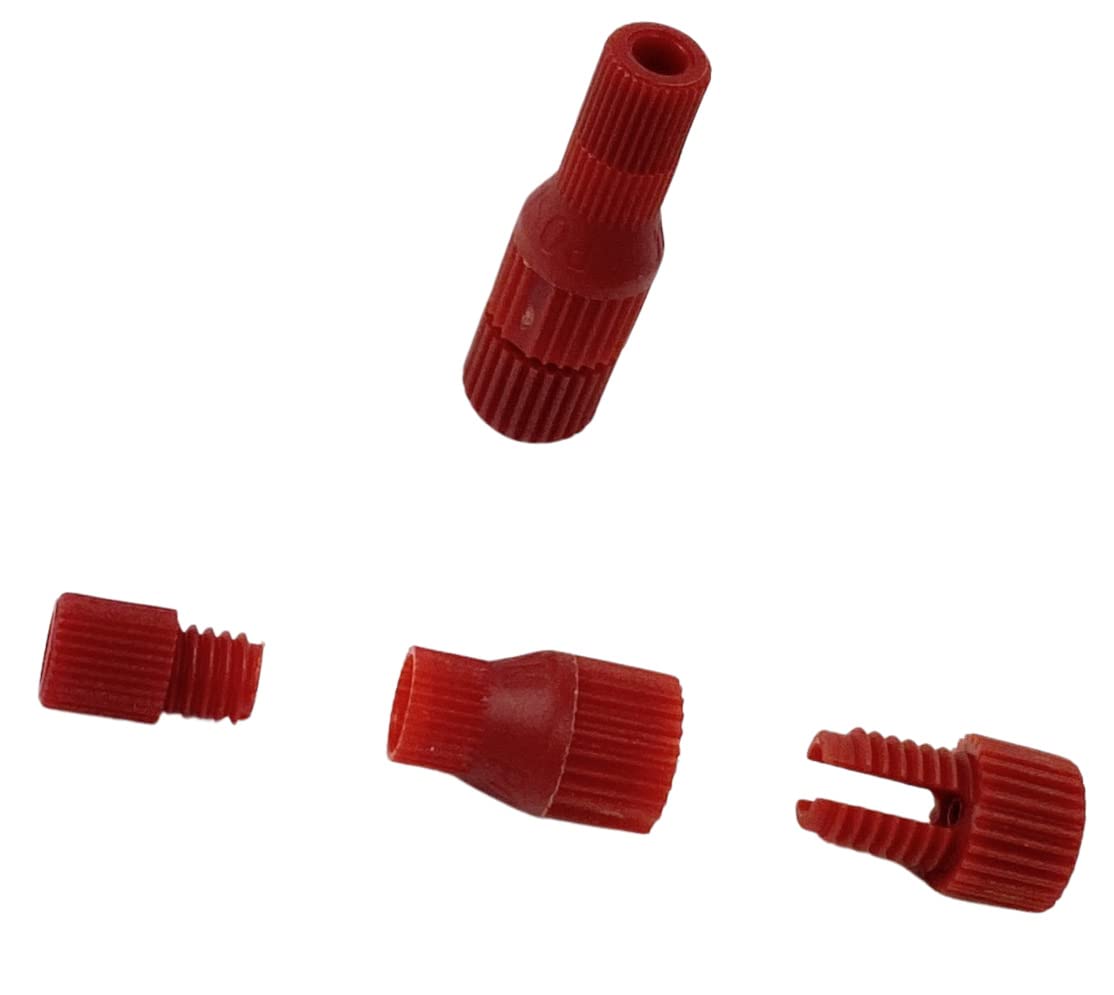
Posi-Tap 20-22 ga. Mini Pack of 15 - The Best Line Tap You'll Ever Use! (Choose Your Gauge Size and
Posi-Products
From ~$17.80
Pros
- Highly rated - 4.8/5 from 883+ buyers
- Enough reviews to trust the rating
- From Posi-Products, known for dependable picks
Cons
- Runs slightly larger than expected for some
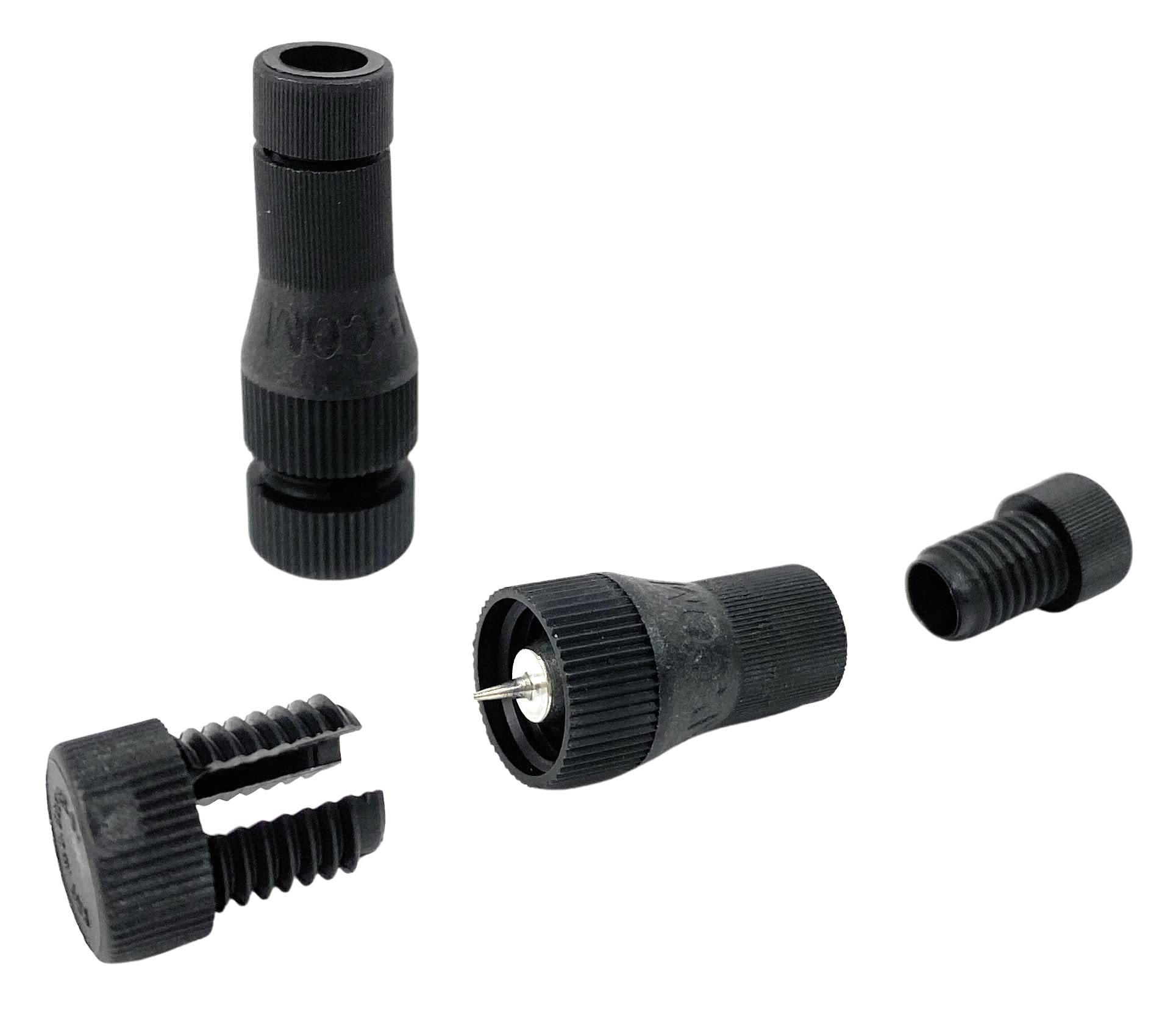
Posi-Tap taps 10-12 ga. Black. Pack of 6. Posi Taps The Best Line Tap Youll Ever Use! (Choose Your G
Posi-Products
From ~$14.30
Pros
- Highly rated - 4.8/5 from 883+ buyers
- Enough reviews to trust the rating
- Made by Posi-Products, a recognized name in the category
Cons
- Fewer color options than competitors
- Runs slightly larger than expected for some

Posi-Tap taps 10-12 ga Yellow. Pack of 15. Posi Taps The Best Line Tap Youll Ever Use! (Choose Your
Posi-Products
From ~$16.95
Pros
- Highly rated - 4.8/5 from 883+ buyers
- Enough reviews to trust the rating
- Posi-Products build quality buyers come back to
Cons
- Check size/compatibility before buying
FAQ
How do we pick products for The evolution of the modern baton?
We compare reviews, materials, and real-world fit — not paid placement.
Do you show live prices?
We link to Amazon for current pricing and availability.
Affiliate disclosure?
Some links earn us a commission at no extra cost to you. Picks are editorial, not paid placement.